
Introduction
Fly fishing is a relaxing and absorbing sport wich you don’t have to give up with age. And, through my individual lessons and tuition based on very long stillwater (lake) and river fly fishing experience, is easily understood.
Is Fly Fishing Hard to Learn?

No, but for novices it’s really surprising.
Fishing is generally seen as time-consuming and inactive, using all the equipment and unappealing bait. Whereas fly fishing is quick and absorbing, mobile, uses little fishing tackle and elegant fly imitations to attract trout.
Can I Teach Myself to Fly Fish?
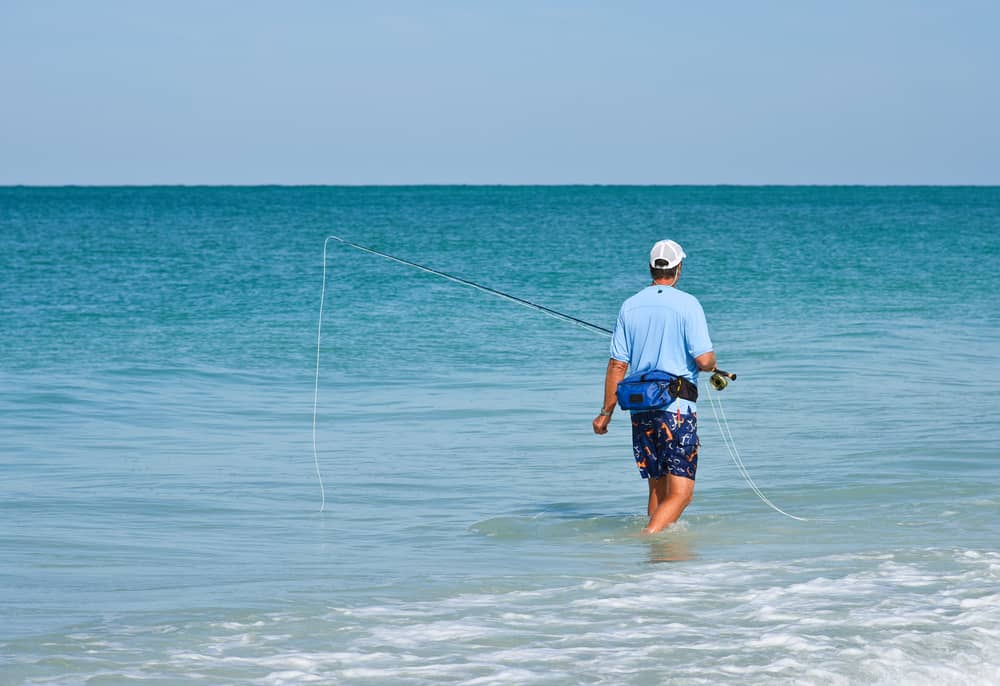
Yes, because actual fly fishing tuition is not always possible.
If we can’t meet my book, videos and fishing tackle website menu will be fun and achieve success in stillwaters, rivers and the sea. In fact each is a course of tuition in ‘the school of your armchair’, even eating lunch.
It just takes longer to learn the skills than booking fly fishing lessons. However, my fishing tackle telephone advice service for a rod and it’s reels and lines helps all fly fishers.
Can a Beginner Fly Fish?

You should learn to cast flies quite well before starting fly fishing, together with obtaining the right clothing and safety glasses.
Where fishing requires waders, particularly for a salmon river or sea trout river, guiding is important to begin with and a personal buoyancy aid is needed, and for boats anywhere.
These all have safety implications so learn this lesson, then enjoy fly fishing more.
How Long Does It Take To Learn How to Fly Fish?
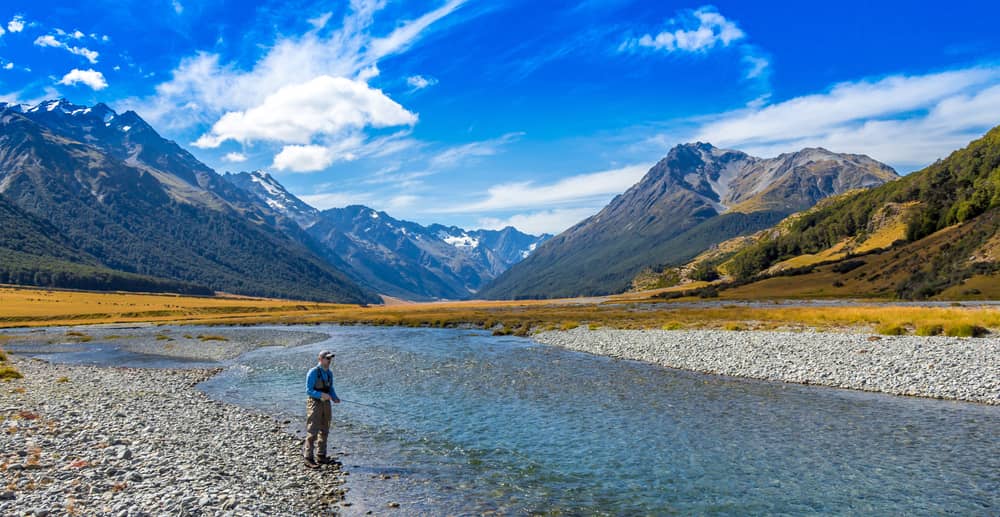
The basic knowledge takes as long as reading my book and watching my casting videos.
Long fly fishing experience suggests the quickest way is a casting lesson followed by practise, three times over a month while reading my book so, if possible make a date.
This should quickly get beginners to the fun of the waterside and catch their first trout.
Is Fly Fishing the Hardest Fishing?
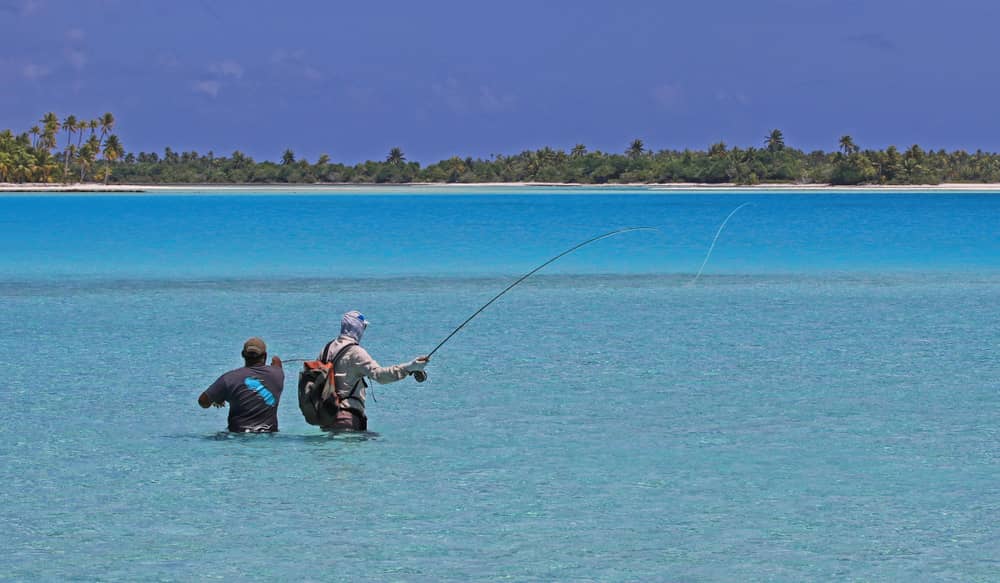
Because fly fishing is found throughout the UK and worldwide, for many species, it gives the impression of being hard. But, in reality, it’s only to cast various flies with appropriate rods in the usual way, given many environments.
It is also likely that special holiday fly fishing comes with guiding to assist with local variations. However, accurate casting skills often ensure fish are caught, particularly on a clear river or saltwater flat, where previous fishing lessons really pay-off!
What Month Should I Start Fly Fishing?
It is personal choice because the UK stillwater season is often twelve months long.
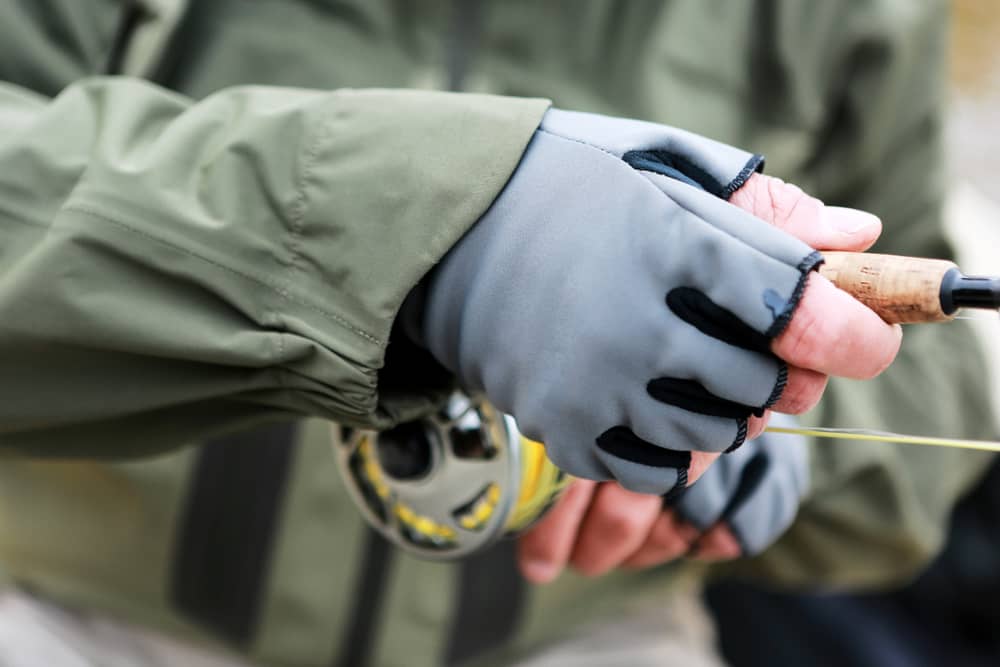
Regarding winter stillwater closure, if close enough to a grayling river, you have lovely fly fishing there, where modern clothing and fingerless neoprene mittens help greatly.
Alternatively you can learn and practise casting when it’s cold, have fly fishing lessons or a course, then fish from early spring to late autumn, the date to suit your diary.
How Do I Get Into Fly Fishing in Essex?
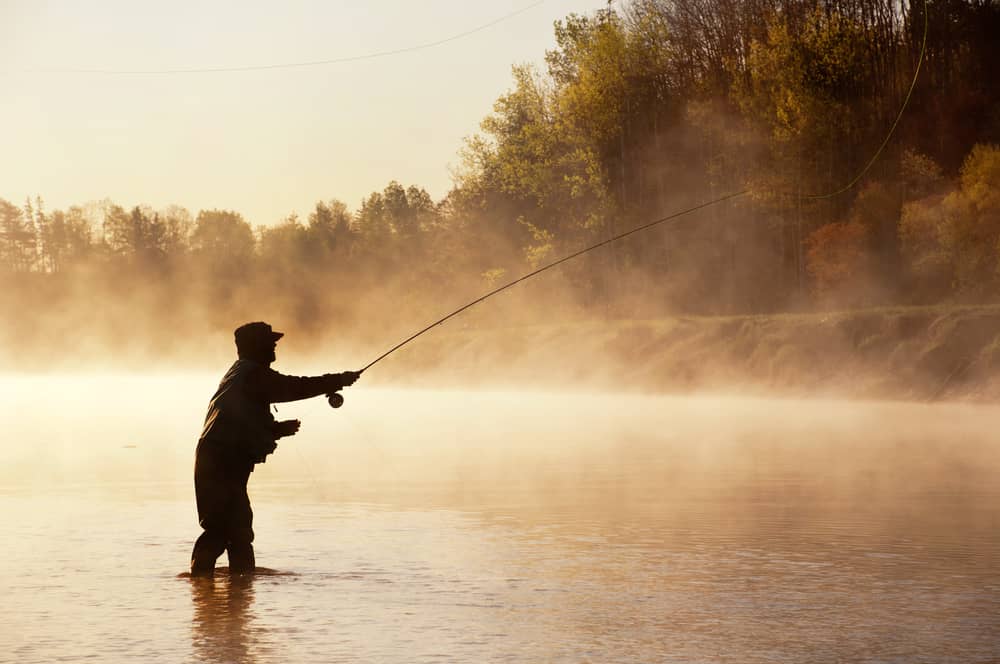
Firstly, book a fly fishing lesson with me to start learning to cast, together with the basics of fly fishing. Individuals or small groups of family or friends are welcome and, with equipment provided it will be great fun, but very effective (see contact below).
Fly fishers learn to show ability with tuition in a friendly atmosphere, but not so much at a formal fishing school with an instructor and course work.
My sessions last well over an hour, including what fishing tackle to buy, rigging it to catch a trout and where to fish.
A fly fishing lesson makes an excellent present, so fishing gift vouchers are available.
How Do You Retrieve in Fly Fishing?
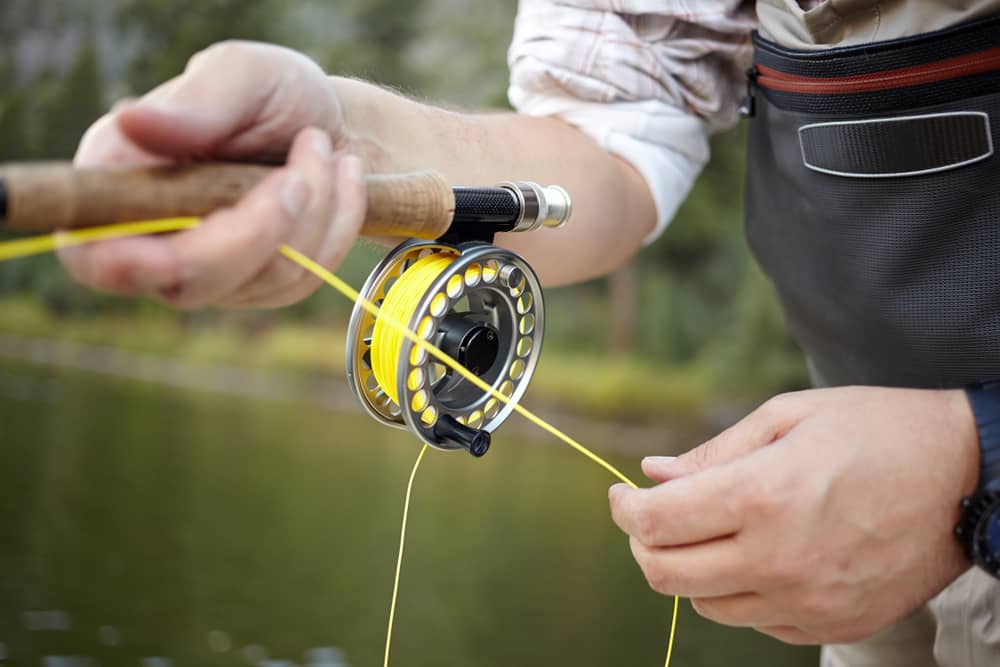
Having had successful tuition to present a fly to the trout during the fly fishing lessons above, it is then allowed to sink a predetermined time, then retrieved prior to the next cast.
With the line sliding over a rod hand finger, it is then retrieved with the opposite hand using ability and dexterous skills to attract a trout to take your fly.
The variations in retrieving from slow to fast are great, but my favourite is very slow with tiny tweaks to make my weighted nymph wriggle its dressing in a lifelike way. It works and is covered in my book.
Where Do I Start With Fly Fishing?
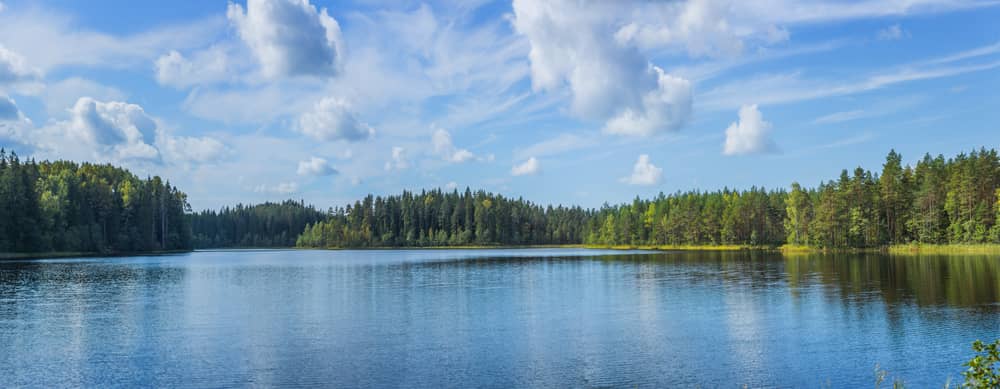
The secret of my ‘fly fishing lessons Essex’ is to break its many simple aspects into manageable steps and skills, for tackle, casting and fishing itself. Regarding starting, the fly fishing lessons to learn are that stillwaters are best due to more stable water levels, natural fish food activity is more predictable, and the actual presence of trout is reliable. Whereas a river may be in spate or difficult to access, and saltwater fishing is controlled by tides with local guidance necessary.
Confidence gained by beginners about the use of equipment and trout showing interest in your fly will help to create long-term enjoyment from your new sport.
Some stillwaters offer guided days, with fly fishing tuition to get you, or a small group started.
Where Is the Best Fly Fishing in Essex?
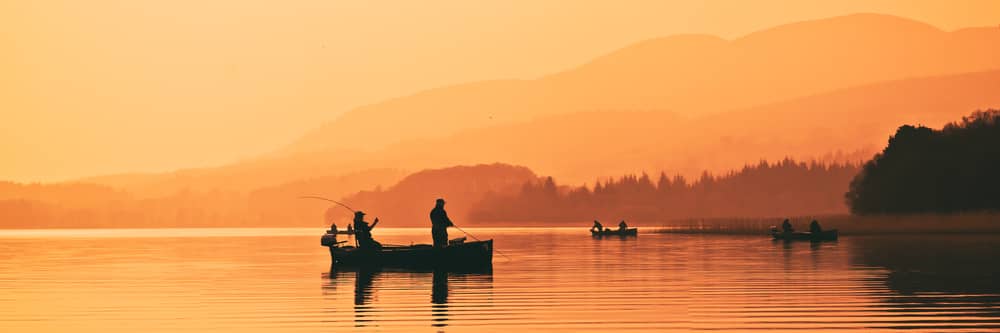
Essex, eastern England is my home with negligible river fly fishing, so I’ve traveled far to many a river and some stillwaters.
Nomadic fishing has yielded many fly fishing lessons for me to give to you as an instructor from a massive, real fishing school, with tuition from an actual ‘course range’.
However, I luckily have two excellent and varied local stillwaters nearby:
Chigborough Fishery, CM9 4RE. Two mature stillwaters 16 and 7 acres. Bookings: www.chigboroughfarm.co.uk Guiding: Nigel Angus tel: 07710 590559
Hanningfield Trout Fishery, CM3 8HX. Tel: 0345 155 0236 / 01268 712180. www.watersideparksuk.com 900 acres, mainly boat fishing with any method bank fishing for fast growing trout. Cafe for lunch, coffee etc.
How Much Does Fly Fishing Cost?

My friendly lessons are £30.00 each. Free collection from London/Shenfield station. Bookings tel: 01277 214568 or mike.marshallbfcc@hotmail.com
Basic #7 fishing outfit £170.00
Full day catch and release fishing (boats extra) Chigborough: £28.00. Hanningfield £20.00
Enjoy!
